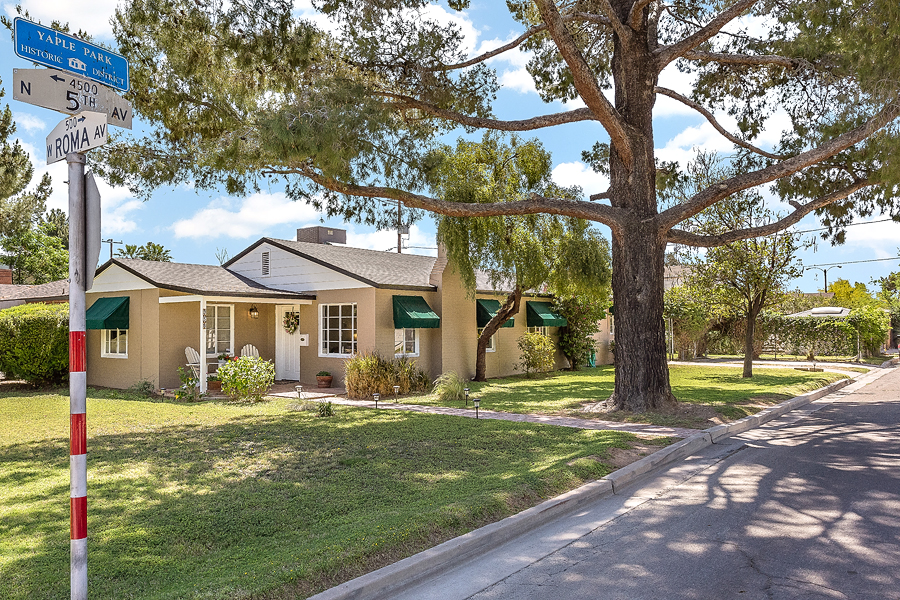

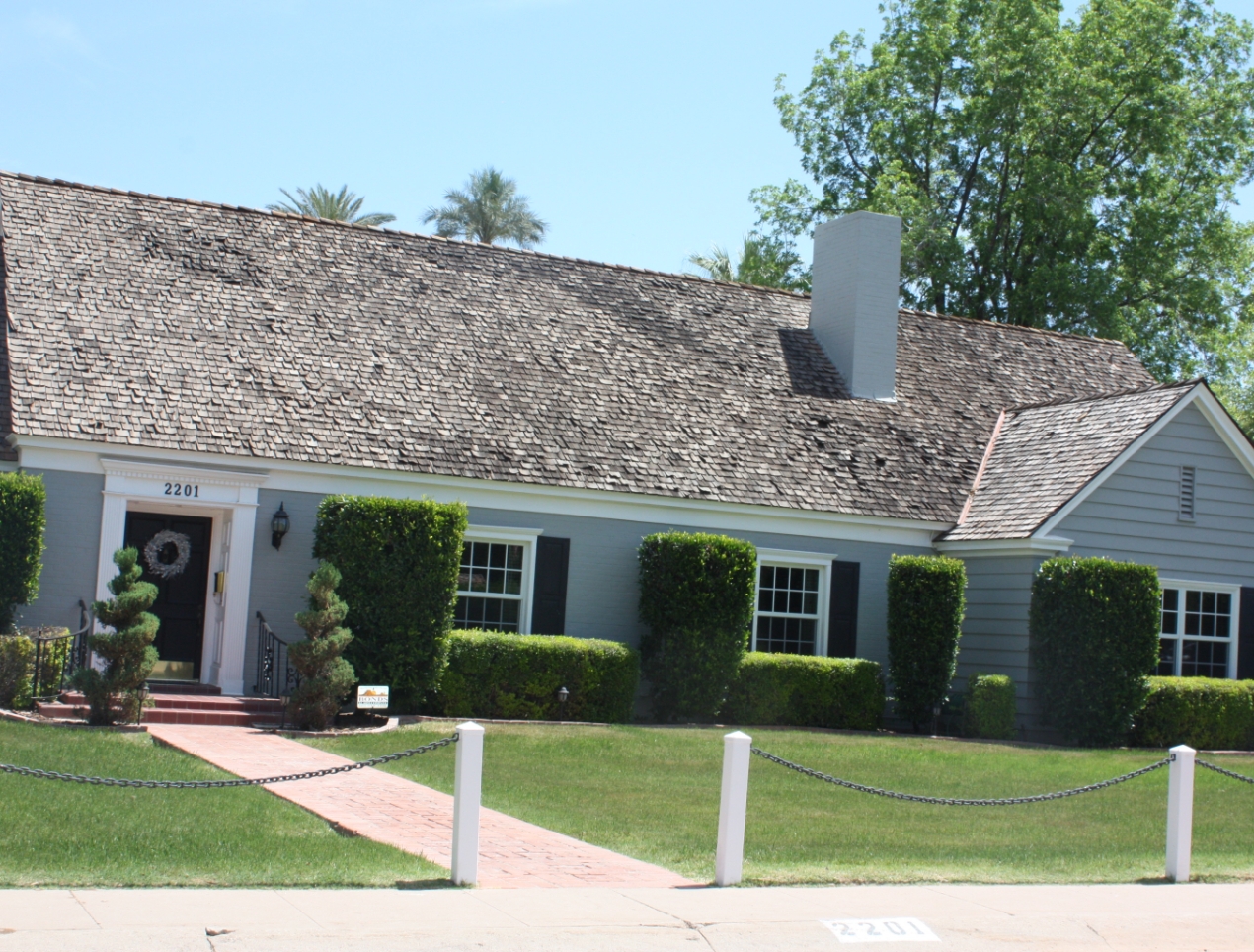
Phoenix Historic Districts
Central Phoenix is home to 35 designated historic districts — a remarkable collection of neighborhoods that together form one of the most architecturally diverse and culturally rich urban landscapes in the American Southwest. If you're searching for historic homes in Phoenix, you've found the right place. These are the streets where storybook Tudors sit beside romantic Spanish Colonials, mid-century modern ranches share blocks with Pueblo Revival gems, and classic Craftsman bungalows anchor tree-lined avenues that have looked much the same for nearly a century.
The central Phoenix historic neighborhoods stretch roughly from 19th Avenue east to State Route 51, and from just south of I-10 north to Osborn Road — placing residents minutes from downtown's arts district, the Roosevelt Row gallery scene, the Heard Museum, Chase Field, Footprint Center, and the Valley Metro Light Rail. It's the rare combination of genuine walkability, mature canopy streets, and immediate access to everything the city has to offer.
While Arizona is a relatively young state — celebrating its Centennial only in 2012 — its historic districts in Phoenix AZ punch well above their age. Most homes were built between the 1920s and late 1940s, when skilled craftspeople constructed houses to last, with thick walls, deep porches, hardwood floors, and hand-laid tilework that mass production simply can't replicate today. Each district has its own personality, its own architectural signature, and its own tight-knit community of neighbors who chose character over convenience and have never looked back.
The appeal crosses every demographic. Whether you're relocating from Chicago or New York and craving a walkable urban neighborhood that feels like a real city, a first-time buyer searching for a home with genuine soul, an empty nester ready to trade square footage for charm, or a family drawn to that timeless "Mayberry" sense of community — Phoenix's historic neighborhoods offer something you simply cannot find in a new subdivision. And with prices ranging from starter homes in the $500s to estate properties over $2M, there's a historic district for nearly every budget.
What Makes Phoenix's Historic Neighborhoods Special
A Legacy of Preservation
Phoenix began formally recognizing its historic neighborhoods in the 1980s, and the preservation movement has only grown stronger since. Designation as a historic district means the neighborhood's character is protected — design guidelines ensure that renovations and new construction respect the scale, materials, and aesthetic of the surrounding homes. The result is neighborhoods that improve with time rather than eroding under pressure from poorly planned infill. Residents actively participate in neighborhood associations, historic preservation meetings, and community events that keep these districts vibrant and engaged.
Living in a Designated Historic District
Beyond the obvious aesthetic rewards, buying a home in one of Phoenix's designated historic districts comes with tangible benefits. Arizona offers a state historic property tax reclassification program that can significantly reduce property taxes on qualifying historic homes — a meaningful advantage for long-term owners. Design review guidelines, while sometimes misunderstood as restrictive, actually protect your investment by ensuring a neighbor's renovation doesn't undermine the character of the block. Many buyers find these guardrails reassuring rather than limiting: they're buying into a place that will still feel special twenty years from now.
Architectural Styles You'll Find Here
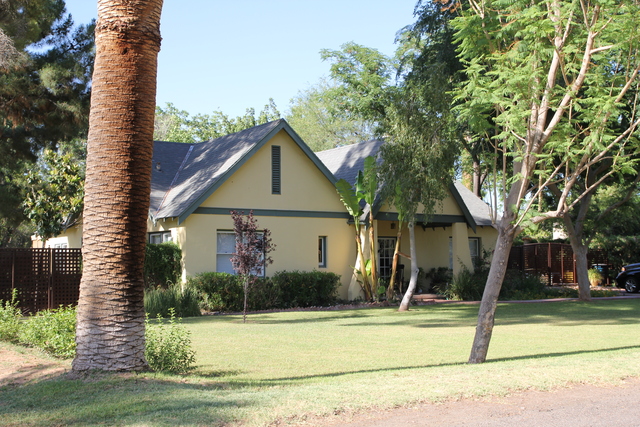
Few places in the Southwest pack this much architectural variety into a walkable urban footprint. Across Phoenix's historic districts you'll encounter:
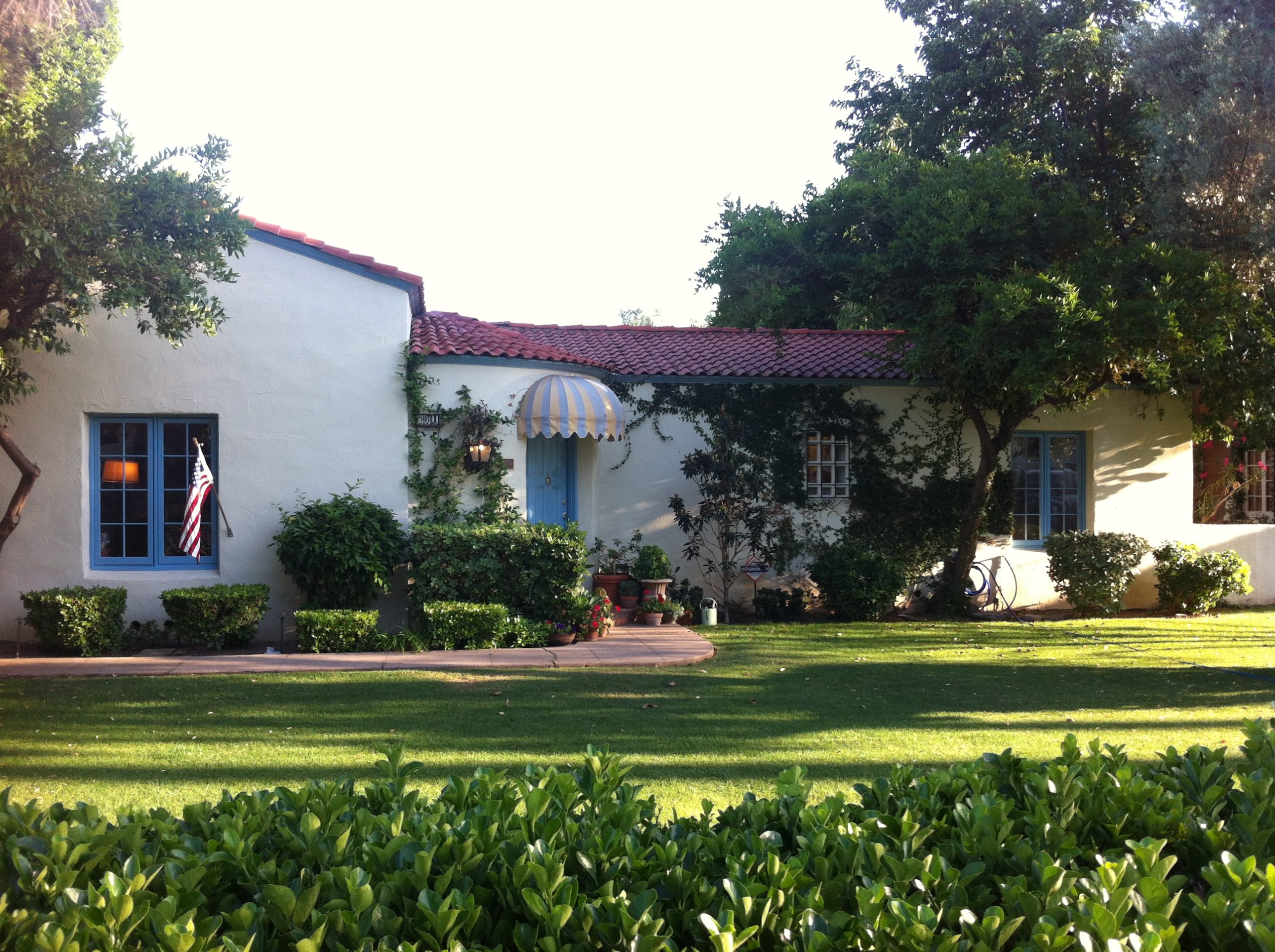
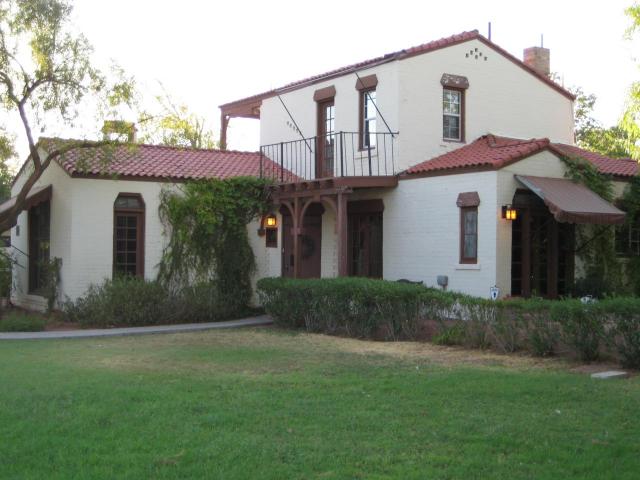
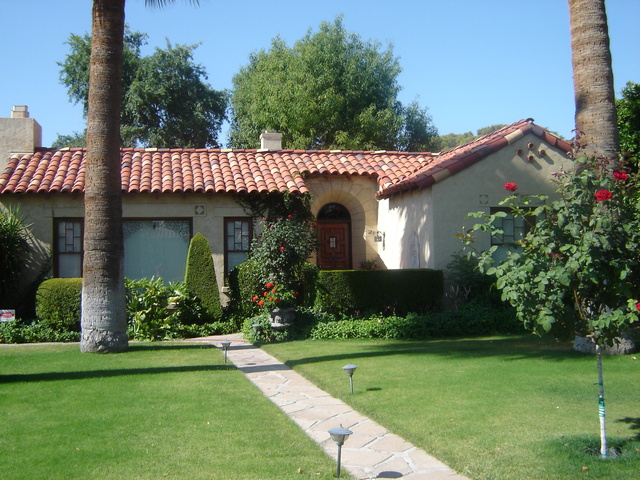
- Spanish Colonial Revival — red-tiled roofs, arched doorways, stucco walls, and interior courtyards that echo the region's deep Spanish heritage.
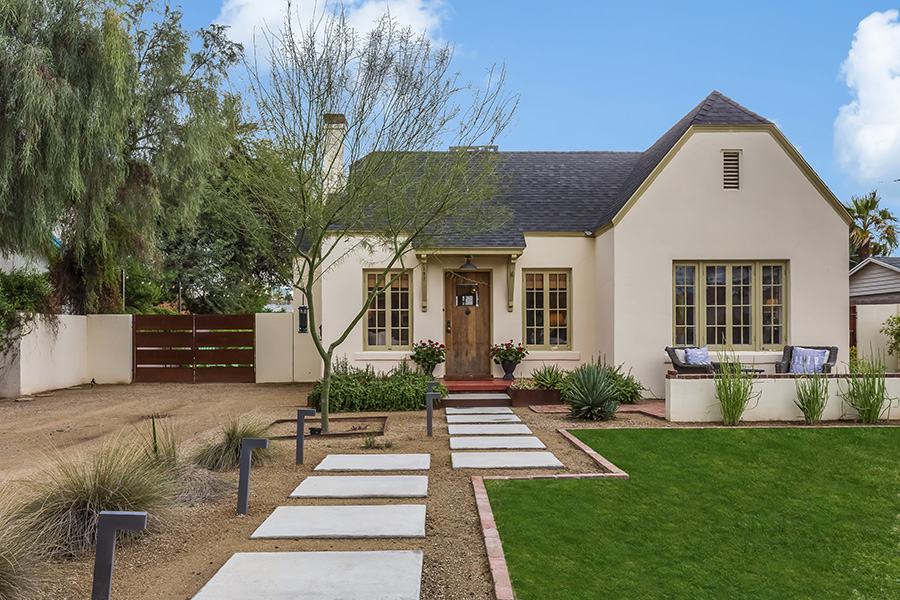
- Tudor Revival — steeply pitched rooflines, decorative half-timbering, and leaded glass windows that bring a storybook English cottage feel to the desert.
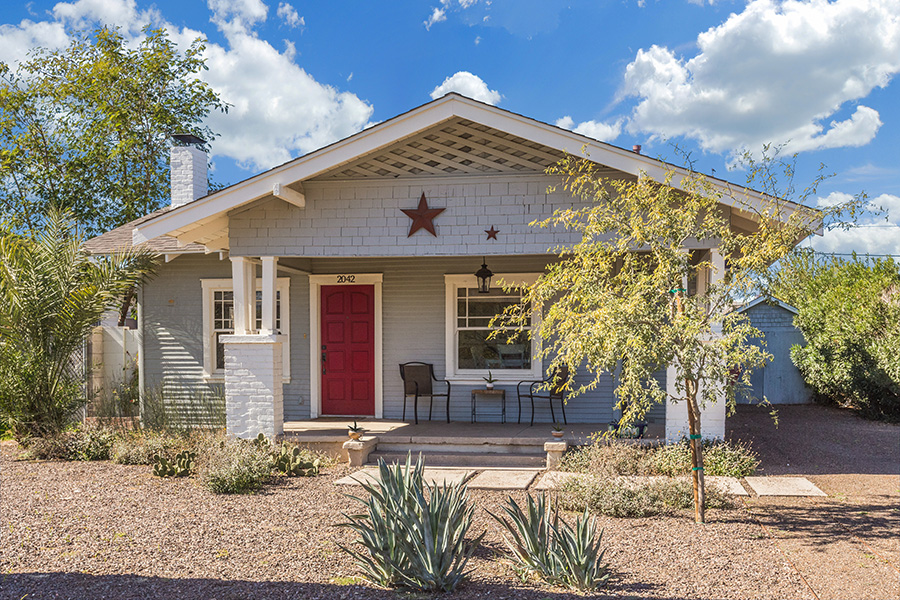
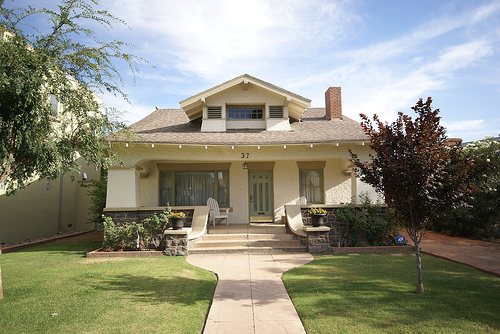
- Craftsman Bungalow — wide front porches, exposed rafter tails, built-in cabinetry, and an honest use of natural materials that defines the Arts and Crafts ideal.
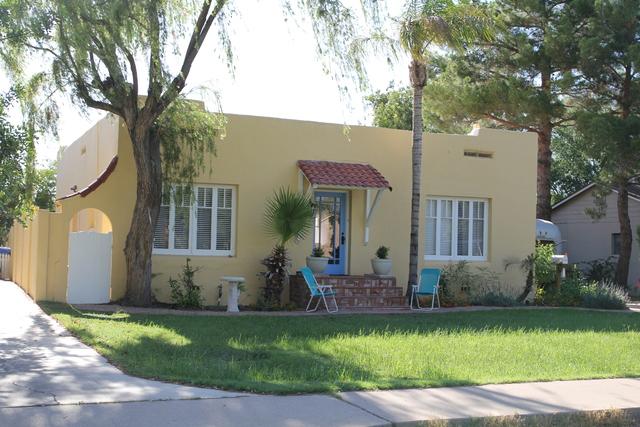
- Pueblo Revival — flat roofs, vigas, and earth-toned stucco that connect the homes visually to the ancient architecture of the Southwest.
- Mediterranean and Mission Revival — graceful archways, decorative ironwork, and warm plaster finishes that feel perfectly at home under an Arizona sun.
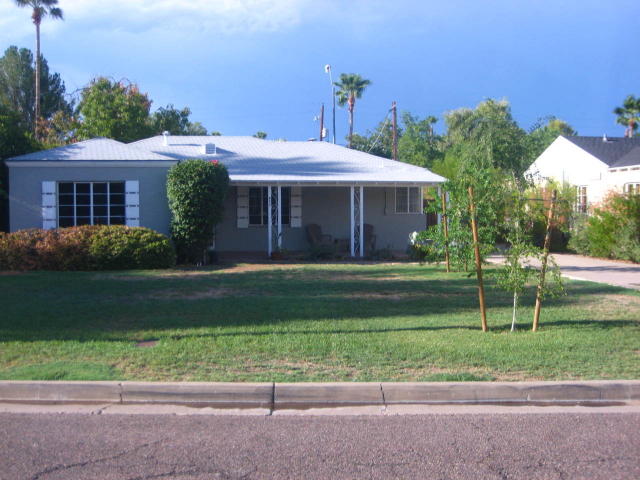
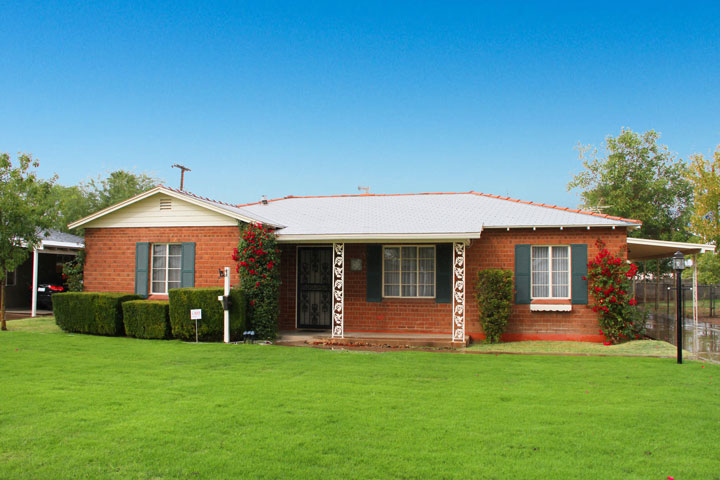
- Mid-Century Modern and Ranch — clean lines, open floor plans, walls of glass, and a seamless indoor-outdoor relationship that defined forward-thinking design in the postwar decades.
Price Range and Market Diversity
One of the most encouraging things about central Phoenix's historic market is its range. Entry-level buyers can find well-priced cottages and bungalows starting in the $500s in several districts, while mid-range buyers will discover beautifully updated three- and four-bedroom homes in the mid $700s to low $1M range throughout the core historic corridor. Estate buyers and design enthusiasts will find showstopper properties — architecturally significant homes on large lots — over $2M in the most coveted areas. Whatever your price point, a knowledgeable guide makes all the difference in finding the right home in the right district.
Lifestyle: Downtown, Culture, and Connection
Living in a central Phoenix historic neighborhood means more than owning a beautiful home — it means belonging to a city that's genuinely coming into its own. The Valley Metro Light Rail runs through the heart of the historic corridor, connecting residents to downtown Phoenix, Midtown, the arts district, and Tempe without touching a freeway. Walkable stretches along Central Avenue, 7th Street, and 7th Avenue are lined with independent coffee shops, acclaimed restaurants, boutique retail, and live music venues. Saturday farmers markets, First Fridays on Roosevelt Row, and neighborhood block parties are woven into the social fabric. These aren't just houses — they're gateways to a lifestyle that's increasingly rare in a metro dominated by sprawl.
Browse the 35 districts below. Each card links to a dedicated page with boundary maps, architectural character notes, and current listings. If a neighborhood catches your eye or you'd like a personal tour, reach out to Vicki — she's explored every one of these streets and loves helping buyers find their perfect historic home.
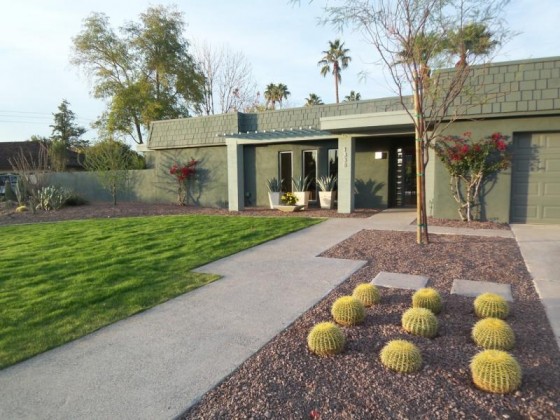
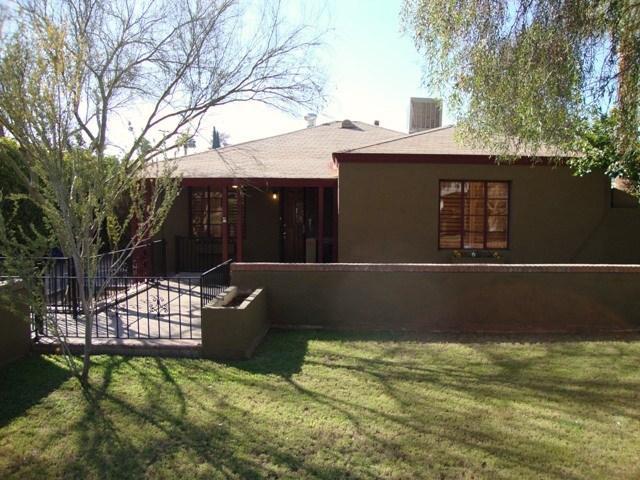
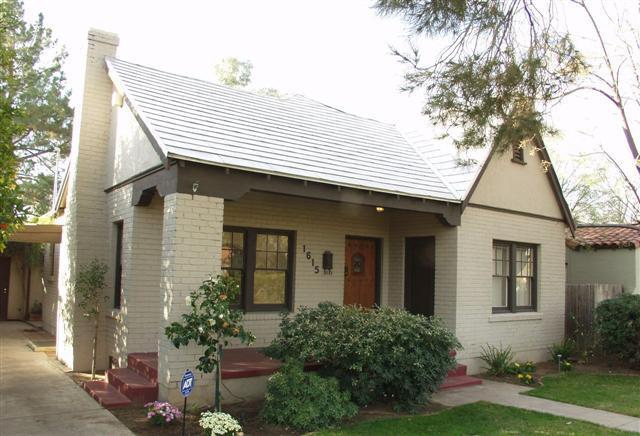
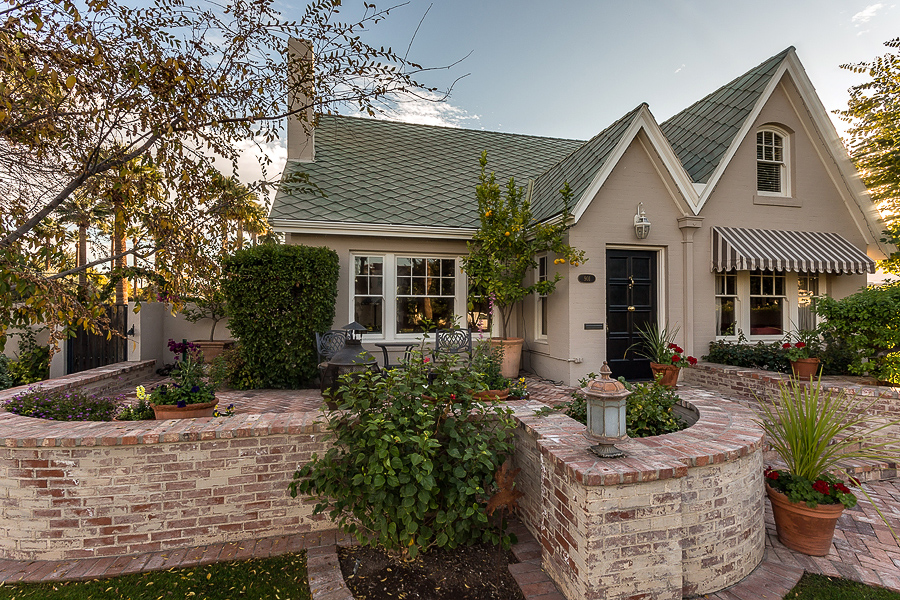
Encanto Palmcroft
Bounded by 7th Ave and 15th Ave, McDowell to Encanto Park / Golf Course.
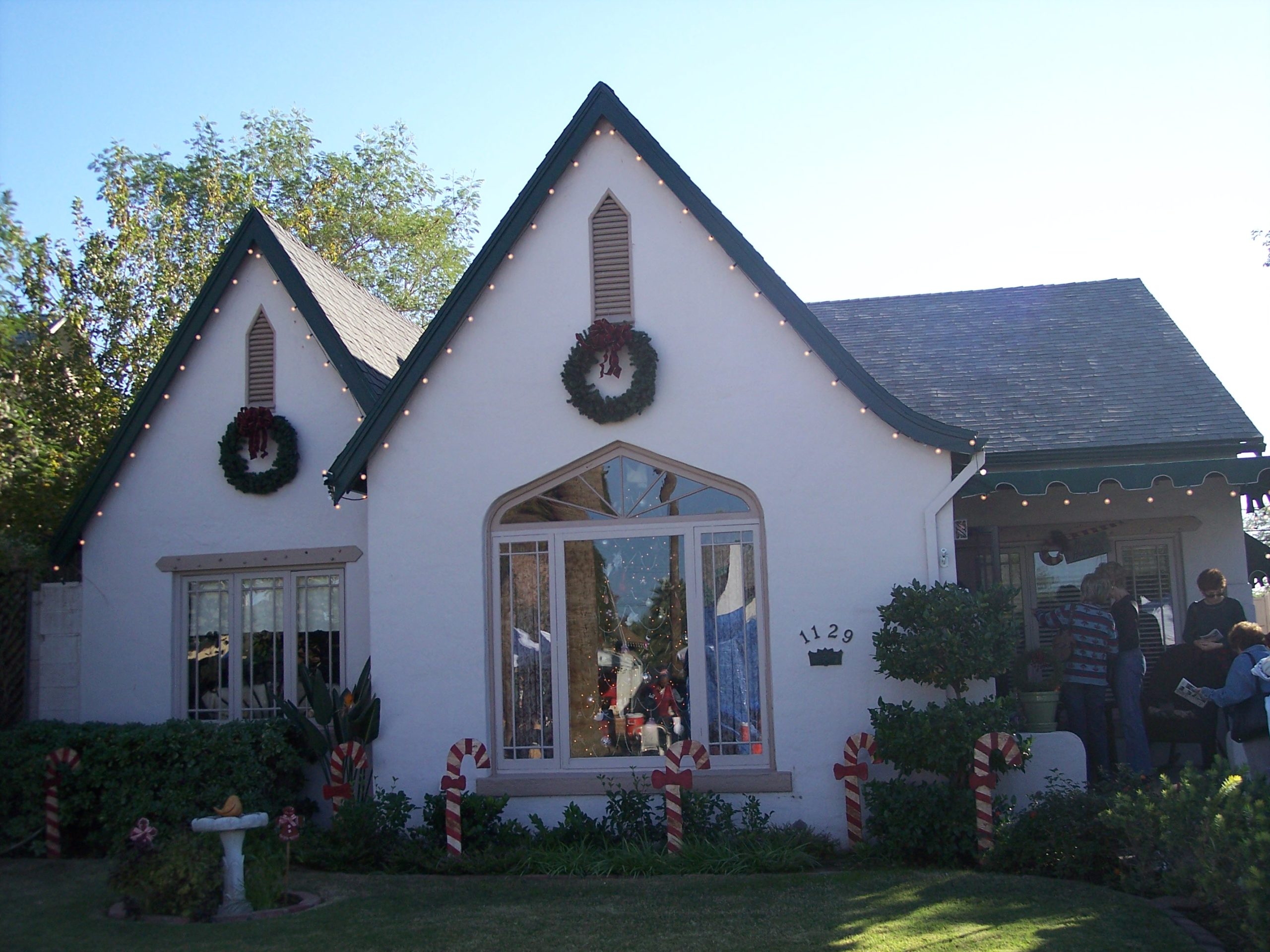
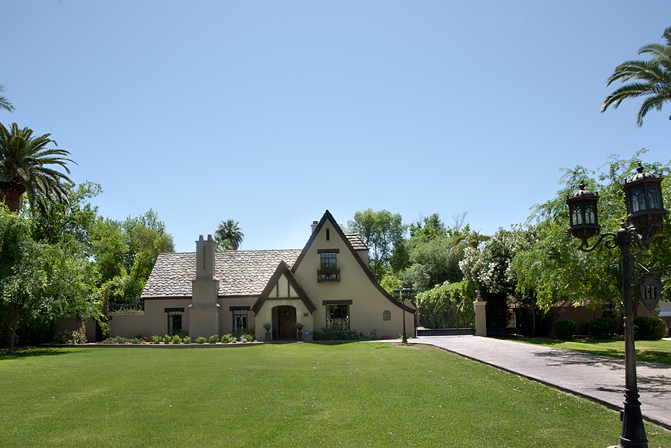
Woodlea
Bounded by 7th Ave. and 15th Ave., along Mackenzie, Heatherbrae and Glenrosa