

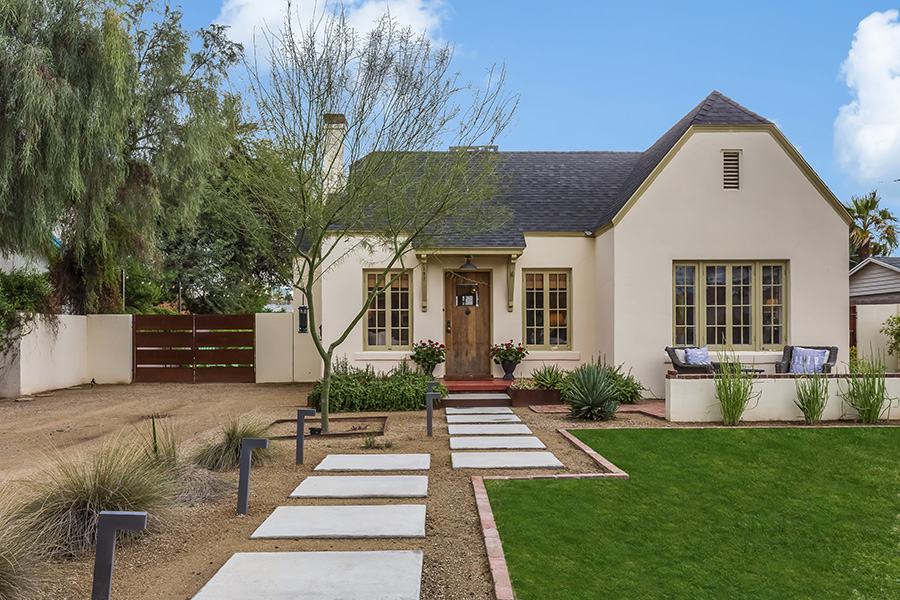
Homes I've Sold in Willo
- 140 W. Coronado
- 506 W. Cypress
- 543 W. Coronado
- 522 W. Windsor
- 337 W. Vernon
- 325 W. Almeria
- 38 W. Vernon
- 342 W. Vernon
- 45 W. Virginia
- 76 W. Virginia
- 40 W. Cambridge
- 41 W. Vernon
- 522 W. Monte Vista
- 324 W. Monte Vista
- 130 W. Palm
- 514 W. Granada
- 61 W. Virginia
- 502 W. Windsor
- 317 W. Vernon
- 515 W. Cambridge
- 127 W. Granada
- 321 W. Encanto
- 338 W. Vernon
- 535 W. Wilshire
- 511 W. Windsor
- 53 W. Encanto
- 301 W. Vernon
- 330 W. Monte Vista
- 81 W. Lewis
- 77 W. Windsor
- 537 W. Virginia
- 78 W. Virginia
- 506 W. Holly
- 310 W. Lewis
- 99 W. Holly
- 301 W. Holly
- 93 W. Lewis
- 140 W. Coronado
- 518 W. Palm
- 73 W. Edgemont
- 45 W. Windsor
- 514 W. Holly
- 301 W. Palm
- 506 W. Cypress
- 509 W. Coronado
- 510 W. Cypress
- 62 W. Edgemont
- 306 W. Cambridge
- 315 W. Almeria
- 57 W. Edgemont
- 516 W. Lewis
- 54 W. Edgemont
- 313 W. Wilshire
- 107 W. Granada
- 330 W. Cypress
- 133 W. Palm
- 126 W. Palm
- 515 W. Windsor
- 51 W. Cambridge
- 325 W. Vernon
- 521 W. Monte Vista
- 77 W. Edgemont
- 41 W. Virginia
- 329 W. Coronado
- 34 W. Vernon
- 83 W. Cypress
- 101 W. Cypress
- 302 W. Wilshire
- 529 W. Cypress
- 2017 N. 3rd Ave.
- 46 W. Vernon
- 95 W. Holly
- 151 W. Palm
- 537 W. Monte Vista
- 329 W. Vernon
- 321 W. Monte Vista
- 102 W. Granada
- 325 W. Cambridge
- 305 W. Palm
- 336 W. Virginia
- 320 W. Cypress
- 118 W. Palm
- 90 W. Cypress
- 125 W. Palm
- 317 W. Almeria
- 525 W. Granada
About the Willo Historic District
Bounded by Central Avenue and 7th Avenue, between Thomas Road and McDowell Road, the Willo Historic District is one of Phoenix’s largest and most beloved historic neighborhoods. Covering approximately one square mile in the heart of midtown Phoenix — just two miles north of downtown — Willo is home to more than 800 residences and offers a remarkable concentration of early 20th-century architecture rarely found in the desert Southwest.
The district was listed on the National Register of Historic Places in 1996, a testament to its architectural significance and the community’s commitment to preservation. For prospective buyers searching for historic homes in Phoenix, Willo represents one of the most compelling opportunities in the Valley.
History & Development
Willo’s story begins in the early 1920s, when the extension of a Phoenix streetcar line connected the area to downtown and made it an attractive destination for the city’s growing middle class. Developers platted the neighborhood during a period of tremendous optimism and prosperity, and construction moved quickly through the late 1920s and into the 1930s.
The Period Revival movement that swept American residential architecture during that era found fertile ground in Phoenix. Builders and their clients embraced styles from around the world, resulting in a remarkably eclectic streetscape. Construction slowed during the Great Depression and halted almost entirely during World War II. The last homes in Willo were built around 1950, giving the district a unified mid-century bookend that makes it particularly interesting to architectural historians and homebuyers alike.
Over the past two decades, Willo has experienced a genuine revival of its own. New residents drawn by the neighborhood’s character, walkability, and central location have joined longtime owners who never left, and together they have invested in careful, period-appropriate renovations that keep the district looking better than ever.
Architecture: A Living Museum of Period Revival Styles
One of Willo’s most celebrated qualities is the sheer variety of its architectural styles, all gathered within a walkable, tree-lined grid of streets. Strolling through the neighborhood is like flipping through a catalog of early 20th-century American residential design:
- Spanish Colonial Revival — Stucco exteriors, red clay tile roofs, arched doorways, and wrought-iron details evoke the missions and haciendas of the American Southwest and Mediterranean coast.
- Tudor Revival — Steeply pitched rooflines, decorative half-timbering, and leaded glass windows lend an Old English character that feels surprisingly at home under the Arizona sun.
- Pueblo Revival — Flat or stepped roofs, rounded parapets, and earth-toned stucco honor the Indigenous and Spanish Colonial building traditions of the Southwest.
- American Colonial Revival — Symmetrical facades, shuttered windows, and columned entries bring a formal, East Coast sensibility to the desert.
- Craftsman Bungalow — Low-pitched roofs, wide front porches with tapered columns, and exposed rafter tails characterize these handsome, livable homes that remain perennially popular with buyers.
- Ranch Style — The later homes in Willo embrace the sprawling, single-story Ranch aesthetic that came to define postwar Arizona living.
- Greek Revival and other Period Revival styles — The district also includes examples of Greek and other classical influences, rounding out its role as a true open-air architectural museum.
This diversity is not accidental — it reflects the individual tastes of Willo’s original homeowners, each of whom selected a style from the catalogs and pattern books of the day. The result is a neighborhood that rewards slow exploration on foot or by bicycle.
Tree-Lined Streets, Walkability & Community Character
Willo’s mature tree canopy — uncommon in a desert city — is one of its most cherished assets. Decades-old citrus, mesquite, and shade trees line the sidewalks and overhang the streets, creating a cool, dappled environment that feels worlds away from the sun-baked arterials surrounding the district. Wide front porches face the street, encouraging the kind of neighborly interaction that defines Willo’s tight-knit community character.
The neighborhood is exceptionally walkable by Phoenix standards. Residents are within easy reach of the Light Rail on Central Avenue, offering car-free access to downtown Phoenix, ASU’s downtown campus, and points throughout the Valley. Nearby Roosevelt Row — Phoenix’s celebrated arts district — is minutes away by foot or bike, putting galleries, restaurants, coffee shops, and weekend farmers markets well within range. The result is a lifestyle that combines the charm of a historic neighborhood with the convenience of an urban address.
Willo Real Estate: What Buyers Can Expect
Homes in the Willo Historic District range from modest Craftsman bungalows under 1,000 square feet to substantial two-story Period Revival residences with formal living areas, multiple bedrooms, and beautifully landscaped yards. Because the neighborhood falls within a City of Phoenix historic preservation overlay, many exterior changes require review — a process that protects property values and ensures the district retains its visual cohesion for generations to come.
Buyers searching for historic homes in Central Phoenix consistently rank Willo among their top choices. The combination of architectural character, central location, walkable streets, and a strong owner-occupant community makes it one of the most desirable ZIP codes in the Phoenix real estate market. Whether you’re a first-time buyer charmed by a storybook Tudor or an experienced investor seeking a well-maintained income property, Willo offers options that are genuinely hard to find anywhere else in the Valley.
The Annual Willo Home Tour: Phoenix’s Most Popular Historic Home Tour
Every February, the Willo Historic District opens its doors — literally — for the Annual Willo Home Tour, widely regarded as one of the most popular historic home tours in the state of Arizona. Held on the second Sunday of February, the tour transforms the neighborhood into a festive, walkable celebration of architecture, preservation, and community pride.
A Beloved Phoenix Tradition
The Willo Home Tour has been a Phoenix tradition for decades, and it has grown steadily in both scale and reputation. What began as a modest neighborhood open house has become a marquee event on Phoenix’s cultural calendar, drawing thousands of visitors from across the Valley and beyond. For many Phoenicians, the Willo Home Tour is an annual ritual — a chance to step inside some of the city’s most distinctive homes and see firsthand how their owners have honored, and in many cases transformed, the district’s historic architecture.
What to Expect on Tour Day
The Willo Home Tour is a self-guided walking and biking tour, designed to let visitors explore the neighborhood at their own pace. On a typical tour day, 10 or more homes open their doors to the public, giving visitors a rare look at interiors that range from meticulous period restorations to creative contemporary renovations that respect the home’s historic bones.
Each home on the tour tells a different story. You might walk through a Spanish Colonial Revival with hand-painted Talavera tile and original hardwood floors, then step next door into a Craftsman bungalow with a fully modernized kitchen tucked behind its original built-in cabinetry. Homeowners and volunteers are typically on hand to share the history of each property, discuss the challenges and rewards of historic renovation, and point out architectural details that are easy to miss at street level.
Beyond the homes themselves, tour day is a neighborhood block party in the best sense. Food trucks line the streets, live music fills the air, and local artisans and vendors set up throughout the district. Families, architecture enthusiasts, prospective homebuyers, and curious visitors all mix together in an atmosphere that perfectly captures Willo’s welcoming community spirit.
Why Thousands Visit Every Year
The Willo Home Tour draws such large crowds for several reasons:
- Architectural diversity — No two homes on the tour are alike. The variety of styles — Spanish Colonial, Tudor, Pueblo, Craftsman, Ranch — means every stop offers something new to admire.
- Insider access — Historic homes are rarely open to the public. The tour offers a once-a-year opportunity to see interiors that are otherwise hidden behind closed doors.
- Renovation inspiration — For homeowners and prospective buyers throughout Phoenix, the tour is a masterclass in sympathetic renovation and period-appropriate design.
- Community atmosphere — The food trucks, music, and neighborly energy make the tour a genuinely enjoyable day out, not just an architectural lecture.
- Timing — February in Phoenix is nearly perfect — warm, sunny, and long past the heat of summer — making a day of walking or biking through Willo genuinely pleasant.
Planning Your Visit
The Willo Home Tour typically takes place on the second Sunday of February. Tickets are available in advance and at the gate, and proceeds support the Willo neighborhood association’s preservation and community programs. The neighborhood is easily reached by Light Rail (Central Avenue stations are nearby) or by car, with street parking available throughout the district. Many visitors combine the tour with lunch or dinner at one of the nearby restaurants along 7th Avenue or Central Avenue.
If you’ve ever considered buying a home in a historic Phoenix neighborhood, tour day is the ideal time to fall in love with Willo. Walking its shaded streets, peeking into its storied interiors, and absorbing its community energy has convinced more than a few visitors to start searching for Willo real estate before the day is done.
Now, Willo is seen as one of the most popular historic districts in Central Phoenix — celebrated for its proximity to Light Rail, its tight-knit neighborhood feel, its sidewalks and front porches, and its beautifully preserved homes. Whether you’re attending the February home tour or simply exploring on a quiet afternoon, Willo is a neighborhood that leaves a lasting impression.